
Zimbabwe — Forbes‘ #1 destination for 2026 — offers first-time travelers an unmatched mix of the iconic Victoria Falls, Big Five safaris in Hwange National Park, and ancient UNESCO ruins at Great Zimbabwe. Whether you have 7 days or 14, these are the top 8 Zimbabwe places to visit and how to plan your trip with the right visa.
Why Zimbabwe Is the Top Destination for 2026
Forbes named Zimbabwe the world’s #1 travel destination for 2026 — a recognition that reflects the country’s exceptional safari value, safe tourism infrastructure, and stunning diversity. Zimbabwe travel offers first-time visitors everything from thundering waterfalls and elephant herds to ancient stone cities and serene lake sunsets. Zimbabwe’s tourist attractions span UNESCO World Heritage Sites, world-class national parks, and cultural landmarks found nowhere else in Africa.
Before planning your Zimbabwe itinerary, check your Zimbabwe visa requirements — most nationalities need a tourist visa, easily obtained via Zimbabwe e-visa application online in 48–72 hours.
1. Victoria Falls — The Smoke That Thunders
Victoria Falls is Zimbabwe’s most iconic destination and the first stop for nearly every Zimbabwe first-time traveler. At 108 metres tall and 1.7 km wide, it’s the largest sheet of falling water on Earth — and the Zimbabwe side of Victoria Falls gives you approximately 75% of the iconic views from the Main Falls Rainforest Trail. Victoria Falls Zimbabwe is accessible year-round, with different experiences by season:
- High water (Feb–July): Thunderous spray, mist clouds 400m high, the roar of Mosi-oa-Tunya („Smoke that Thunders“) audible 40 km away
- Low water (Aug–Dec): Clear views of the full rock face, multiple falls channels visible, best Zimbabwe photography conditions
2. Hwange National Park — Africa’s Elephant Capital
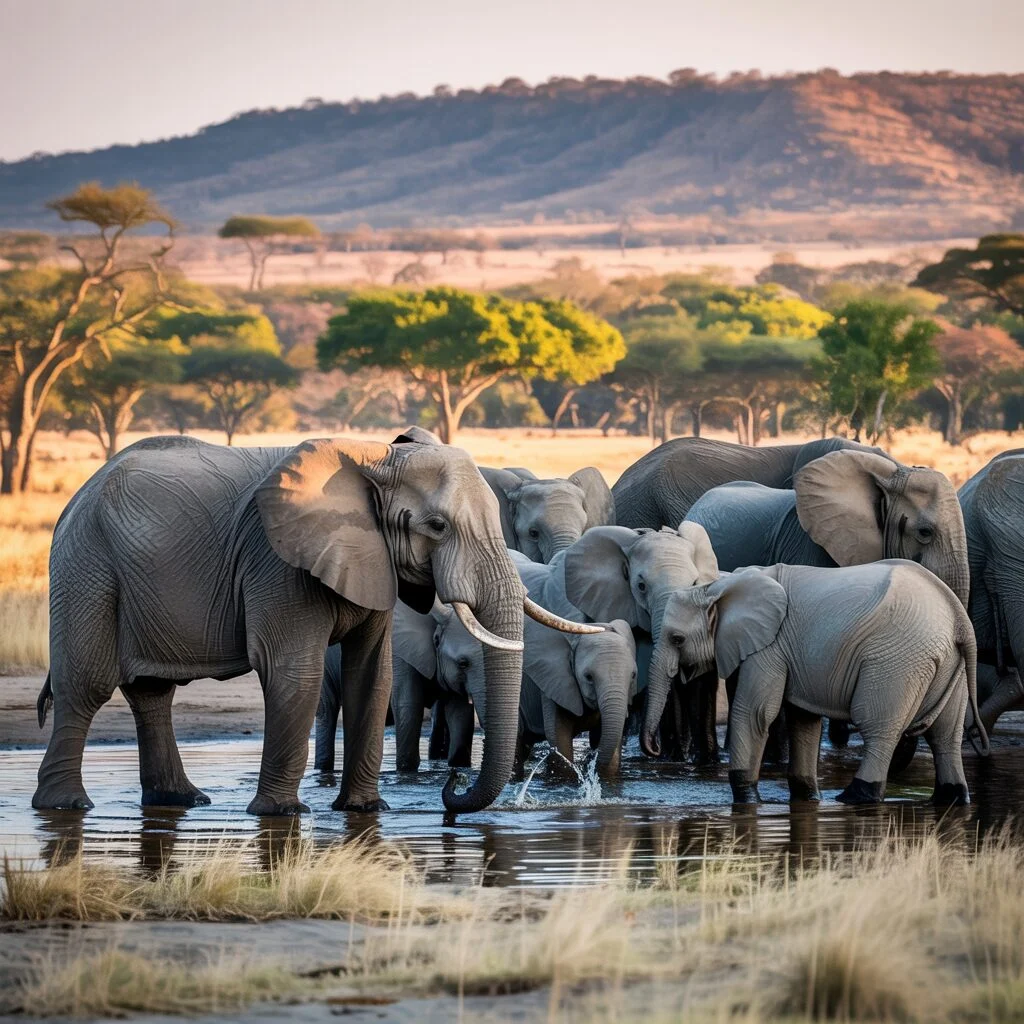
Hwange National Park is Zimbabwe’s largest wildlife reserve at 14,651 km² and home to the world’s densest elephant population — over 45,000 elephants make Zimbabwe’s Hwange a world-class safari destination. The park sits just 100 km from Victoria Falls, making it the perfect Zimbabwe add-on for 7–10 day itineraries.
Zimbabwe wildlife in Hwange includes lion, leopard, cheetah, wild dog, sable antelope, and giraffe alongside its famous elephants. The best time for Zimbabwe’s Hwange safari is July–October when animals congregate at pumped waterholes. Multiple Zimbabwe safari camps and lodges operate within the park from budget campsites to luxury tented camps.
| Destination | Best For | Distance from Vic Falls | Best Season |
|---|---|---|---|
| Victoria Falls | Iconic waterfall, adventure | 0 km (base) | Year-round |
| Hwange NP | Big Five, elephants | ~100 km | Jul–Oct |
| Great Zimbabwe | History, UNESCO | ~450 km | May–Oct |
| Mana Pools NP | Walking safari, canoes | ~600 km | Aug–Oct |
| Lake Kariba | Houseboat, fishing | ~350 km | Year-round |
| Matobo NP | Rhinos, rock art | ~450 km (via Bulawayo) | May–Oct |
| Bulawayo | Culture, city base | ~440 km | Year-round |
| Gonarezhou NP | Remote wild safari | ~680 km | Jul–Oct |
3. Great Zimbabwe — Ancient Ruins & UNESCO Heritage
Great Zimbabwe, near the city of Masvingo, is the most significant pre-colonial monument in sub-Saharan Africa and a UNESCO World Heritage Site. These Zimbabwe stone ruins — constructed between the 11th and 15th centuries — once housed a city of 18,000 people at the heart of the Kingdom of Zimbabwe. Great Zimbabwe’s massive dry-stone walls, built without mortar, stand up to 11 metres high and demonstrate extraordinary engineering skill.
Zimbabwe takes its name from these ruins — „Great Zimbabwe“ means „great stone houses“ in Shona. The national monument includes the Hill Complex (royal enclosure), Great Enclosure, and Valley Ruins. A dedicated Zimbabwe museum on-site provides historical context. Great Zimbabwe is a rewarding day trip from Masvingo, 275 km southeast of Harare.
4. Mana Pools National Park — Walking Safaris & Canoeing
Mana Pools is Zimbabwe’s most adventurous national park and a UNESCO World Heritage Site on the Zambezi River floodplain. Zimbabwe’s Mana Pools is famous for walking safaris — guided on foot among free-roaming elephants, lions, and wild dogs — and multi-day canoe safaris on the Zambezi River. No other Zimbabwe park offers this level of immersive wildlife access.
The best time for Zimbabwe’s Mana Pools is August–October when dry conditions concentrate wildlife along the river. Unique Zimbabwe wildlife behavior here includes elephants standing on hind legs to reach albida (winter thorn) pods. Mana Pools is a fly-in destination for most visitors — charter flights from Harare or Victoria Falls take 45–90 minutes.
5. Lake Kariba — Serenity on the World’s Largest Reservoir
Lake Kariba, one of the world’s largest man-made lakes at 220 km long, sits on the Zimbabwe–Zambia border and offers a completely different Zimbabwe travel experience: houseboat safaris, world-class tiger fishing, and spectacular sundowner cruises watching elephants at the water’s edge. Zimbabwe’s Lake Kariba is the destination for visitors who want wildlife with total serenity.
Houseboats on Zimbabwe’s Lake Kariba range from budget shared vessels to fully-staffed luxury boats with private chefs. The surrounding Matusadona National Park protects elephants, hippos, and prolific birdlife along the shoreline. Kariba Town on the Zimbabwe side has a small airport with connecting flights from Harare.
6. Matobo National Park — Rhinos, Rock Art & Rhodes
Matobo National Park, near Bulawayo, is Zimbabwe’s oldest protected area and one of Africa’s most rewarding cultural and wildlife destinations. Zimbabwe’s Matobo Hills contain the world’s highest concentration of San Bushmen rock art — over 3,000 paintings dating back 13,000 years depicting animals, hunting scenes, and spiritual ceremonies. The park also protects one of Africa’s most successful rhino sanctuaries, with both white and black rhino populations.
Visitors to Zimbabwe’s Matobo can track white rhinos on foot — one of the most thrilling wildlife experiences in Africa. The park also contains the grave of Cecil John Rhodes at „World’s View,“ a panoramic granite hilltop with sweeping Zimbabwe vistas.
7. Bulawayo — Zimbabwe’s Cultural Capital
Bulawayo, Zimbabwe’s second-largest city with 700,000 residents, serves as the gateway to Matobo Hills and offers a charming colonial-era city experience. Zimbabwe’s Bulawayo is known for its wide boulevards (originally designed so ox wagons could turn around), art deco architecture, and the Natural History Museum — one of Africa’s finest natural history collections.
Bulawayo is the most laid-back city in Zimbabwe and a genuine traveler hub. The city’s railway station connects to Harare and the Victoria Falls route. Bulawayo is also the cultural center of Zimbabwe’s Ndebele people, with traditional craft markets and performance arts.
8. Gonarezhou National Park — Zimbabwe’s Wild Frontier
Gonarezhou, meaning „Place of Many Elephants“ in Shona, is Zimbabwe’s second-largest national park and the wildest. Part of the Great Limpopo Transfrontier Park spanning Zimbabwe, Mozambique, and South Africa, Zimbabwe’s Gonarezhou is exceptionally remote — accessible only by 4WD — and rewards experienced travelers with extraordinary wilderness untouched by mass tourism.
Zimbabwe’s Gonarezhou is known for its dramatic Chilojo Cliffs — red sandstone walls rising 180 metres above the Runde River — and large, sometimes tusker elephant bulls. This Zimbabwe park suits visitors who’ve already experienced Victoria Falls and Hwange and want something truly off-the-beaten-path.
How to Plan Your Zimbabwe Trip — Visa & Entry Tips
Most nationalities visiting Zimbabwe need a tourist visa — and planning your Zimbabwe trip starts with sorting your entry requirements. Apply for your Zimbabwe e-visa online and receive approval in 48–72 hours. Key Zimbabwe visa facts:
- Single-entry Zimbabwe visa: $30 USD
- Double-entry Zimbabwe visa: $45 USD (if crossing to Zambia)
- KAZA UniVisa: $50 USD (Zimbabwe + Zambia combined)
- Passport validity: minimum 6 months from entry date
- Blank passport pages: minimum 2 required
Check full Zimbabwe visa requirements for your nationality before booking flights. Zimbabwe e-visa is accepted at all major entry points including Victoria Falls Airport, Harare International Airport, and Kazungula border post.